 KFUM Oslo Hub
When discussing KFUM Oslo, it's impossible to overlook the intense rivalry with Grorud IL. The derbies between these two teams are more than just matches; they are a celebration of culture, community, and local identity. At KFUM Arena, an atmosphere is created that is rarely experienced elsewhere.
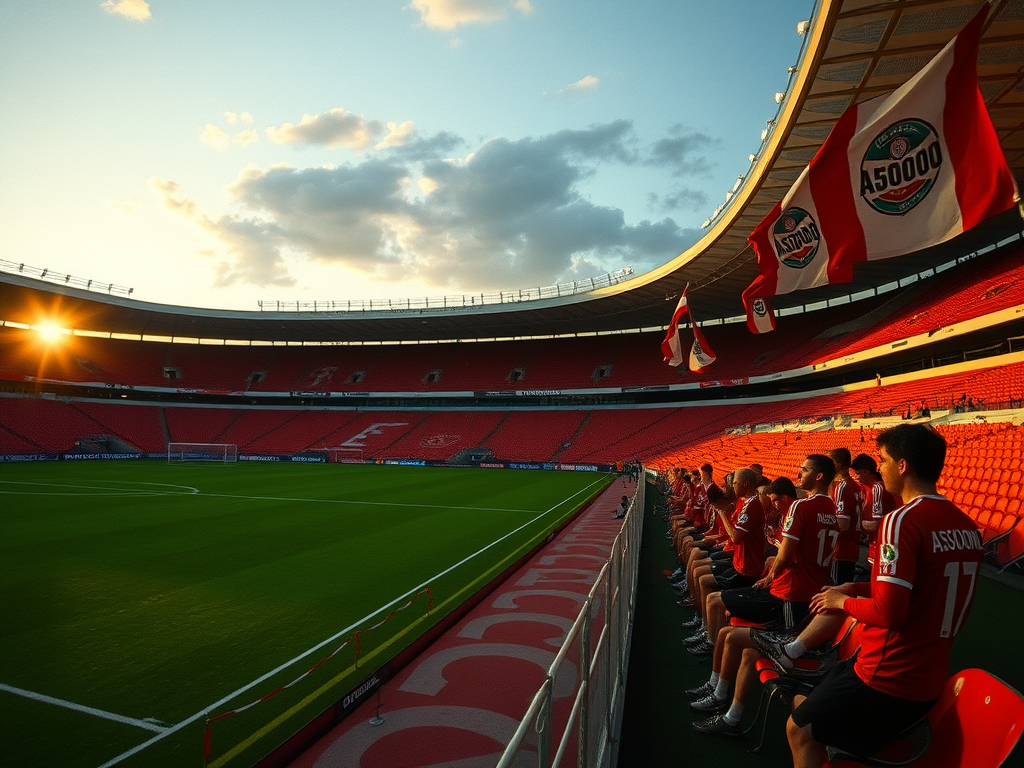
One of the most distinctive traditions is the "Kameratklubben," where dedicated supporters gather before matches to share stories, sing songs, and strengthen their bonds with each other. This community is not only vital for building team spirit but also for maintaining a strong connection to the club and the city. The ritual of raising the flag before the match, along with recognizable chants, sets the tone for an experience that is both electric and heartwarming.
During derbies, a unique atmosphere fills the stadium. When the referee blows the whistle, it’s as if the entire KFUM Arena vibrates with energy. Supporters organize themselves into clusters, flags and scarves held high, ready to back their team no matter what. It’s a mix of joy, excitement, and often a bit of nervousness that makes each derby a memorable experience.
There are also traditions linked to the post-match atmosphere. For many supporters, it means heading to local pubs to discuss the match, analyze the play, and celebrate (or comfort) with friends. This community continues long after the referee has blown the final whistle, and it’s precisely this bond that unites the Kameratene.
In addition to the sporting aspect, there is also a deep cultural dimension to the derbies. Supporters take the opportunity to express their love for the club through art, music, and even street art. Walls in Oslo bear the colors and symbols of KFUM, serving as a reminder that football is more than just a sport; it’s a lifestyle.
As we look forward to the next derby against Grorud IL, it’s clear that the Kameratene will continue to create memories, build traditions, and strengthen the community. The derby culture that has developed around KFUM Oslo is a valuable part of the club's identity, and it will remain a source of pride for all who call themselves Kameratene.